3. Hire a professional photographer
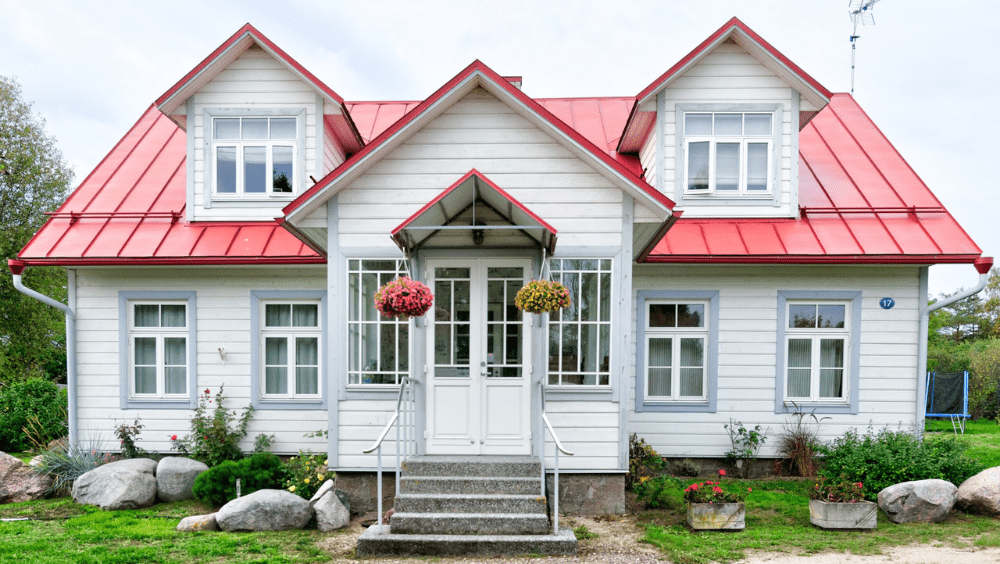
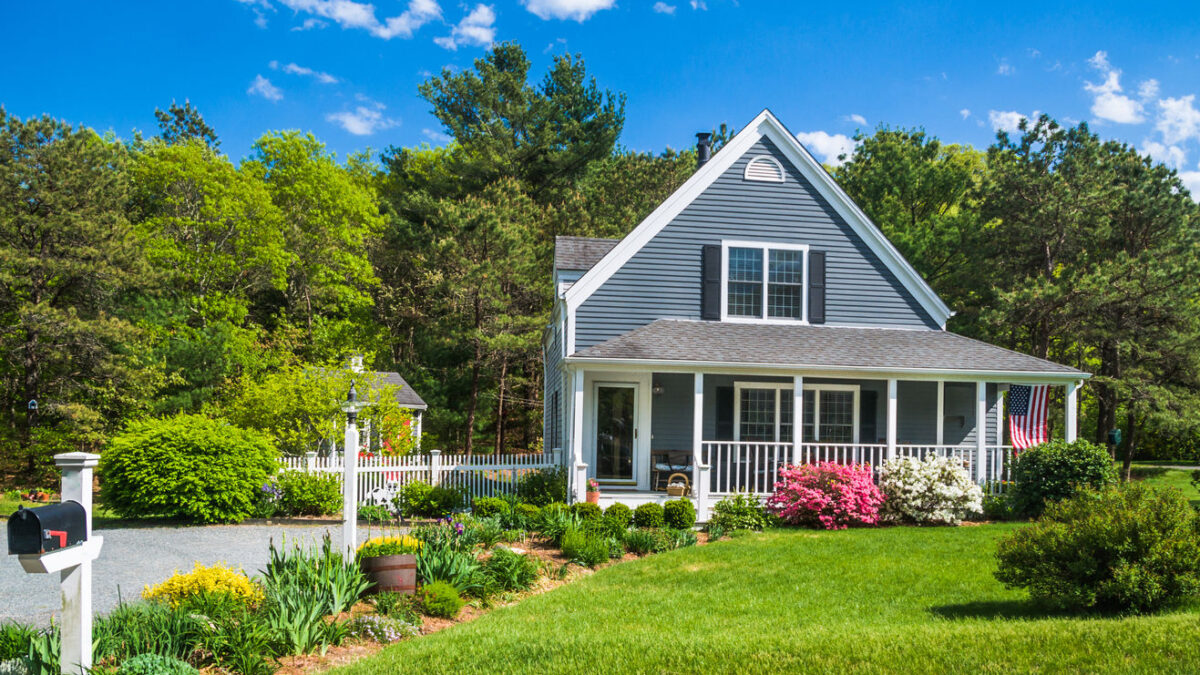
When you’re aiming for Architectural Digest and not a blog highlighting terrible real estate photos, it’s a good idea to have a professional real estate photographer capture your images. Last year, 96% of homebuyers used the internet in their home search. And since most potential buyers begin their search online, photos provide that crucial first impression.
Selling solo: Hiring a professional real estate photographer runs $100-$200 per hour. You could also choose the DIY approach if you’re confident about your camera and photo editing skills. Use a wide-angle lens, and either natural light or off-camera lighting to make the images look bright and appealing. Then set up a tripod and snap away.
Selling with an agent: In many cases, your real estate agent will hire a proven professional photographer on your behalf as part of the listing service.
4. List your home with a flat fee MLS service
For maximum buyer visibility, list your home on the local multiple listing service (MLS) using a flat rate service. Popular real estate search websites pull new listings from the MLS and disseminate the data to potential buyers.
Instead of a commission percentage you’d pay to most real estate agents, flat fee MLS companies post FSBO listings on the owner’s behalf. However, the flat fee MLS company does not represent the owner the way a full-service real estate agent does. The flat fee company posts the listing on the MLS, and the seller is responsible for showing their home, negotiating with either the buyer or the buyer’s agent, and managing the closing timeline.
Selling solo: Fill out a listing input form specifying details such as buyer financing you accept, your home’s features, and showing instructions for cooperating agents. Expect to pay anywhere from $100 to $500, depending on where you live and which company and services you select. When you list on the MLS and accept an offer submitted by a real estate agent, responsibility for the buyer’s agent commission (around 2.5% to 3%) typically falls on the seller.
For example, a seller would be responsible for $12,000 in commission when selling a $400,000 home while offering the buyer’s agent a 3% commission.
Selling with an agent: Realtors subscribe to the local MLS and submit your home’s listing on the seller’s behalf. With direct access to the database, agents handle the listing submission on their client’s behalf.
5. Market your property
Your home may be on the local MLS, but capturing the attention of finicky buyers requires a standout marketing strategy.
Selling solo: Design and print home flyers and a front yard sign letting everyone know what’s special about your home and why it’s a great buy. Consider branching out to more creative methods, such as filming a walk-through video of your home or adding a fun gimmick, such as an inflatable dinosaur, to your front yard.
Selling with an agent: Marketing strategy is where Realtors shine. Every agent has their own marketing strategy based on the local market, and sellers can take a step back while the listing agent designs and prints flyers, posts a for sale sign, emails potential buyer contacts, promotes the home on social media, or other creative marketing strategies.
6. Field phone calls and schedule tour requests
Selling solo: Once you place your home on the open market, interested homebuyers and their agents will reach out for more information, such as when they can tour your house. Respond to questions and schedule tours in a timely fashion. Also, consider buying and installing a lockbox so that potential buyers can access your home with their agent.
Selling with an agent: The listing agent handles all questions and tour requests on the seller’s behalf. If the homeowner gives the agent permission, the listing agent installs a lockbox that allows buyer agents key access to the home. Many agents use an electronic lockbox, which adds an extra level of security: every time an agent accesses the home, the lockbox records the date, time, and the agent’s MLS ID.
7. Hold an open house
An open house gives your home additional visibility by allowing potential homebuyers a chance to see your home on a flexible time frame and in a low-pressure environment.
Selling solo: Arrange a few hours on weekend dates to open your doors for public viewing. Increase foot traffic by advertising the open house dates on your MLS listing and other marketing methods, such as local Facebook groups or newspaper ads. Set up A-frame signs on main roads to direct passersby to your house. Then open the blinds, plump the sofa pillows, and prepare to schmooze with potential buyers (along with lookie-loo neighbors).
Just don’t forget to remove or secure your valuables before the open house.
Selling with an agent: Listing agents arrange open house dates and times with the seller. All arrangements, such as marketing and setting up signage, fall on the agent’s shoulders. The agent also hosts the open house (not the homeowner), allowing the seller to slip away for a few hours for a movie or afternoon at the park.