 By admin1
What does poor condition mean?
What is considered a poor condition for a house? “Poor condition” is a relative term in real estate that translates differently from market to market.
“In my area, poor condition houses are ones that are considered uninhabitable,” explains Abram.
“We refer to houses that are rundown, but habitable, as fair condition properties. Fair condition houses have dated finishes and fixtures, or maybe they have foundation issues.”
Lurie says that when a buyer asks for a home inspection, he typically doesn’t hear home inspectors say that a home is in poor condition, but rather, “they’ll say things like ‘I believe this house has good bones. It’s got a couple of repairs that need to be done, or there are major repairs that need to be done.’”
Of course, if you’re aware of any home issues, you must comply with your state’s mandated disclosure requirements and let the buyers know.
To help make sense of all this, let’s walk through a few categories your house could fall into. Then, we’ll take a look at your options for selling your house.
1. Uninhabitable
Houses that are considered to be uninhabitable have multiple issues that make them unfit for anyone to live in, likely due to safety concerns. These issues may include:
- Severe electrical issues (outdated knob-and-tube wiring, frayed wiring, etc.)
- Serious plumbing problems (corroded pipes, non-functioning water heater, etc.)
- Severe and/or extensive roof damage
- Black mold
- Lead and/or asbestos (beyond removal or abatement)
- Termite infestation (or unrepaired damage)
- Severe and/or extensive foundation issues
- Severe and/or extensive chimney damage
- Non-functioning HVAC (Heating, ventilation, and air conditioning)
2. Major repairs required
Even if the home is habitable, major repairs can put it in the “poor condition” category, according to buyers and their agents. These can include:
- Electrical issues
- Plumbing problems
- Significant roof damage
- Significant wood rot
- Significant foundation issues
- Failing yet still functioning HVAC
- Damaged and outdated kitchen
- Damaged and outdated bathroom(s)
- Damaged flooring
- Damaged and/or non-functioning faucets/light fixtures
3. Significant cleaning or renovation required
As previously stated, “poor condition” is a relative term. While one buyer won’t bat an eye at stained flooring, another will make a mental check in the “poor condition” category.
Items that can put a house in this type of “poor condition” category include:
- Dirty, cluttered interior
- Outdated kitchen
- Outdated bathroom(s)
- Dirty, stained flooring
- Dingy, peeling paint (not related to moisture issues)
- Outdated finishes on faucets & light fixtures
- Dead, overgrown, untended landscaping
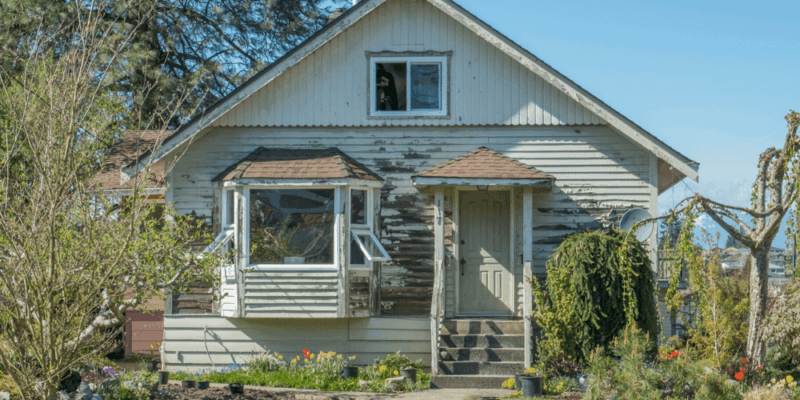
- Weathered exterior (including peeling paint, minor wood rot, etc.)
Three ways to get a fair price
If you feel like your home falls under any of the “poor condition” categories listed above, you have three basic options to consider when you move forward with the sale.
1. Do nothing and sell it as-is
If you have no interest in investing any money or effort into your home before you list it for sale, you can move forward and sell your home as-is.
You’re still obligated to disclose any known issues, according to your state’s requirements, but the buyer enters the home sale knowing that they would likely be responsible for fixing these issues and any additional problems that the inspection may reveal. You can still negotiate with a buyer should they have requests such as repairs or concessions based on the state of the property.
If you decide to go this route, don’t be deceived by the “do nothing” mindset. While you don’t need to spend time and money on repairing major problems, it is wise to invest a little bit into your home before listing it for sale.
Lurie emphasizes the importance of taking some time to clean up the property. “Taking that extra step to cut the grass or trim the bushes makes it more welcoming.”
You can get more by using some elbow grease or spending a little cash to hire a pro to deep clean, declutter, and depersonalize your home:
- Deep clean: $25–$80 per hour, per cleaner (approximately $240–$500 to deep-clean a 2,000-square-foot house)
- Declutter and depersonalize: $252 – $836 for a professional organizer (process typically takes two to 10 hours, depending on the state of the home)
- Landscaping maintenance: $35 – $70 per hour for yard work
- Pro carpet cleaning: $123–$241 (approximately $300–$600 to clean the carpet of a 1,800–3,000-square-foot house)
2. Make low-cost, cosmetic fixes only
If your poor-condition house requires many major and minor repairs, it may make sense to knock out a few of the low-cost cosmetic fixes to make your home more appealing to potential buyers.
For example, let’s say your house hasn’t been updated in 20 years — so it’s due for a new roof, the HVAC is nearing the end of its lifespan, the fixtures (lighting, faucets, appliances, etc.) are worn out and out of style, the carpet is stained, and the walls need a fresh coat of paint.
If you tackle the smaller jobs before listing, the hefty price tag items (like the roof or HVAC) that still have a few years of use left will feel manageable rather than overwhelming to potential buyers.
- Repaint interior: $2,400–$15,000 average cost for 1,200 to 2,500 square feet of internal space (or $2–$6 per square foot)
- Replacing outdated light fixtures: Prices of light fixtures vary, but expect to pay $158 – $1,016 per fixture for professional installation
- Replacing old faucets: Prices of faucets vary, but expect to pay $150–$400 for installation, or an average of $250 for professional installation
- Refinish existing cabinets: $1,990 – $4,498 average cost (or $4–$10 per square foot)
You can also DIY a lot of these projects and save some cash. But even though these repairs can make the house look a little more appealing, Lurie doesn’t always recommend doing them. “If the carpet’s been there for five or six years, it’s just going to have to be cleaned. I don’t want my sellers to spend thousands of dollars changing out flooring and painting walls when somebody might not like that color.” Instead, he advises, “Let the buyer negotiate the floor coverings.”
3. Invest in some major repairs or upgrades
If your home is in truly poor condition, it may have severe problems that are too much for the average buyer to take on once you add them all together.
While it might not make sense for you to invest tens of thousands of dollars, it may make sense to make one or two major repairs to get your list price closer to what your home is worth.
Picking which repair is most needed requires an honest assessment of what work your home needs, a little research on how much each job will cost and the average return on investment (ROI), and discussions with your agent.
According to the 2024 Cost vs. Value Report, the following home improvement projects offer a high return on your investment:
- Garage door replacement:
- Project cost: $4,513
- Resale value: $8,751
- ROI: 194%
- Manufactured stone veneer:
- Project cost: $11,287
- Resale value: $17,291
- ROI: 153%
- Entry door replacement (steel):
- Project cost: $2,355
- Resale value: $4,430
- ROI: 188%
- Minor kitchen remodel (midrange):
- Project cost: $27,492
- Resale value: $26,406
- ROI: 96%
- Window replacement (vinyl):
- Project cost: $21,264
- Resale value: $14,270
- ROI: 67%