 By admin1
To prepare your home for real estate drone photography, focus on everything the camera can see from above: the roof, driveway, yard, patios, pool areas, and other outdoor spaces. Clear unnecessary clutter, address visible maintenance issues, and coordinate with your photographer so the property is ready when it’s time to shoot.
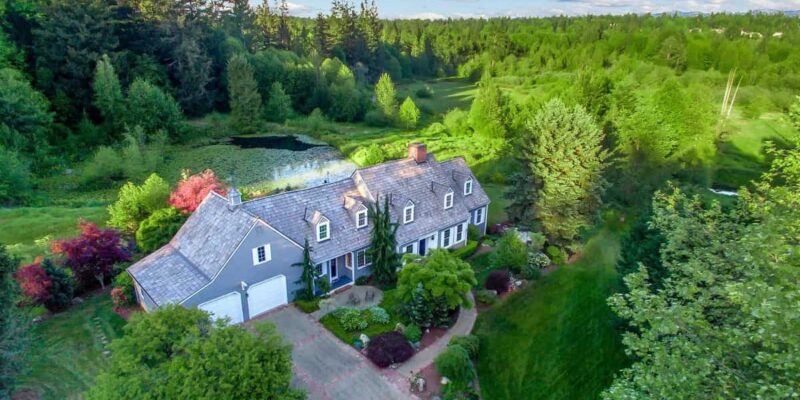
Drone photos can change the hierarchy of a home. From the sidewalk, buyers notice the front door, landscaping, and whether the windows look clean. From 150 or 200 feet above, the roof becomes a continent, the driveway becomes a runway, and the small habits of daily life – a blue recycling bin, a hose looped beside the garage, a few pool floats – become unusually visible.
That is what makes a drone shoot valuable. It can show off a large lot, a secluded backyard, a pool, mature trees, proximity to trails or water, and the layout of a property in a single frame. But it can also show buyers precisely what you forgot to move.
So, whether you’re selling a ranch home in Houston or a five-bedroom house in Atlanta, the goal is not to make your home look like no one lives there. It is to remove visual noise so that buyers can see the property clearly and understand what makes it worth seeing in person.
Check out our curated set of expert real estate drone photography tips and let your listing shine.
Start with the roof
For typical exterior photos, sellers often devote most of their attention to the front: edging the lawn, washing the windows, setting out a fresh doormat. Those efforts matter, but drone imagery asks a different question. What does the house look like from above?
Haye Kesteloo, Founder and Editor-in-Chief of DroneXL, puts the roof at the center of the preparation process:
“From 150 feet up, your roof is the biggest surface in the frame, not your front door, so treat it like the lawn: clear the gutters, blow off leaves and pine needles, and get rid of moss streaks, tarps, or dead satellite dishes before the shoot. The night before, move every car off the driveway and out of the street in front, roll the trash bins out of sight, close the garage, and skip the sprinklers, since wet pavement photographs as dark blotches.”
Before scheduling the shoot, inspect the roof as honestly as you can from the ground. Loose branches, leaf piles, pine needles, clogged gutters, and abandoned satellite dishes can be relatively easy to address. A tarp, damaged shingle area, or major moss growth may signal a larger repair issue – but even then, it is better to understand what the camera will reveal than to be surprised by it.
If the roof has algae streaks or moss, consider a professional cleaning method appropriate for your roof material. Asphalt shingles, for example, can be damaged by aggressive pressure washing. A qualified contractor can recommend a safer approach that improves the roof’s appearance without creating a bigger maintenance problem.
You don’t need to conceal genuine defects. Buyers will often get an inspection on the home, and a listing photo is no substitute for disclosure. But clearing debris and removing unused equipment helps ensure the image reflects the property rather than a weekend’s worth of deferred chores.
Look straight down
Homeowners tend to stage for the view from eye level. They move a few items behind the fence, sweep the front steps, and assume the rest disappears into the background. Drone photography removes that comfort. The camera can look directly down into the driveway, patio, side yard, and pool area all at once.
Justin Phillips of American Guerilla Marketing provided his real estate aerial photography tips and advises sellers to prepare for that top-down perspective:
“Before a drone shoot, prepare your property for the camera angle homeowners often forget: straight down. Clear driveways, hide trash cans and hoses, clean the pool, straighten patio furniture, and remove anything from the yard that creates visual clutter. Aerial photography exposes the entire property at once, so small messes that disappear in traditional ground-level photos can become surprisingly noticeable from above.”
Take a slow lap around the outside of the home and look for items that would create visual clutter from overhead. Pay particular attention to driveways, patios, decks, pool areas, and side yards.
Common offenders include:
- Trash, recycling, and yard-waste bins
- Garden hoses, hose reels, sprinklers, and extension cords
- Pool nets, poles, vacuums, chemical containers, and floats
- Children’s toys, bikes, sporting equipment, and play structures
- Lawn tools, ladders, wheelbarrows, and bags of mulch
- Pet supplies, outdoor storage containers, and tarps
- Unused patio furniture, damaged cushions, and furniture covers
This does not mean every exterior surface should be empty. A nice outdoor dining table, a few lounge chairs, a clean grill, or a well-placed umbrella can help buyers see how the backyard functions. The difference is whether the objects look staged for living or simply left behind.
Make driveways and yards camera-ready
A driveway is more than a place to park during a drone shoot. It may be part of the pilot’s launch area, a major visual element in overhead photos, or the foreground in a video pass that moves from the street toward the house.
Karl Roskamp of Launchpad Home Group is full of great tips and he compares the preparation process to a more familiar home-sale appointment:
“I think of it like scheduling a home inspection. Anything that blocks access or delays the job should be addressed in advance. Some common obstructions include overgrown branches, trash cans, and cars parked in the driveway.”
Treat the shoot like a scheduled work appointment rather than an informal photo session. Move vehicles well before the drone operator arrives, and clear a safe area where the pilot can launch and land. The specific launch location will depend on the property, weather, nearby obstacles, and the operator’s plan, so avoid assuming the driveway will be the only option.
Overgrown branches deserve attention as well. Trim branches that block the home’s roofline, cover key architectural features, or obscure a pool, patio, driveway, or desirable view. That said, don’t just go chopping branches the day before the shoot. Fresh cuts, piles of limbs, or bare areas will be more noticeable than the original branches.
The best exterior prep often comes down to clean lines. Mow the lawn, edge where appropriate, sweep hardscaping, remove weeds from patio cracks, and straighten the path a buyer’s eye is likely to travel through the image. A tidy yard gives the drone room to show the property’s shape rather than its clutter.
>>Read: What is Curb Appeal? Why it Matters When Selling a Home
Stage the spaces buyers want
A drone can do more than document the roof and lot boundaries. It can show buyers how the property supports daily life: dinners under a covered patio, pool afternoons, a fire pit gathering, a garden, or a backyard with enough open grass for a dog or a game of catch.
That is why outdoor furniture deserves the same attention as a living room before an interior photo session. Straighten chairs. Center tables. Fluff cushions. Sweep around seating areas. Remove damaged covers, spare pots, and stacks of supplies that have slowly gathered beside the back door.
Jeffrey R. Theisler of Imaging in the Sky says sellers should reserve their attention for the parts of the property the aerial camera will actually capture, while leaving aviation logistics to the certified pilot:
“Sellers don’t need to call the airport – a Part 107-certified pilot handles airspace authorization, so skip that and focus on what the camera actually sees. From 200 feet up the roof is half the frame, which means a soft-wash on algae streaks and a clean driveway do more for the shot than anything you do inside the house. Clear everything visible from above. If you’re friendly with your neighbors, consider asking them to move theirs too. Lastly, book the hour before sunset and let your pilot pick the day; flat overcast light kills a property, and a good aerial is mostly about the light.”
For decks and patios, aim for a clear purpose. A dining space should look ready for a meal. A fire-pit area should look like a place where people could sit and talk. A pool deck should feel open, clean, and ready to use.
You can often achieve that effect with a few simple adjustments:
- Arrange chairs evenly around tables, fire pits, or conversation areas.
- Remove excess furniture that crowds a deck or patio.
- Wipe down tabletops, outdoor kitchen counters, grills, and railings.
- Clean the pool and remove maintenance tools.
- Store bulky equipment, including coolers, cleaning products, and pool covers.
- Use umbrellas selectively; open, centered umbrellas can add color and symmetry, while bent or partially collapsed ones can draw attention for the wrong reason.
- Replace dead container plants or move them out of the frame.
The idea is not to create a movie set. It is to make the outdoor space digestible at a glance. Buyers should be able to look at the image and understand where they would eat, relax, swim, garden, or spend time with friends.
>>Read: A Real Estate Photographer’s Perspective: 12 Tips for Staging Your House for Photos
Coordinate the shoot
A drone shoot has two distinct parts: preparing the property and operating the aircraft. Sellers and agents have plenty to do on the first part. On the second, the right professional should handle the flight plan, airspace questions, local restrictions, weather judgment, and safety decisions.
Before hiring a drone photographer or videographer, confirm the operator holds the appropriate FAA Part 107 certification, and consider asking whether they carry liability insurance. . Ask to see recent real estate listing work, not just scenic clips or social-media reels. A capable real estate drone portfolio should demonstrate clean composition, stable video, thoughtful framing, and an understanding of which features matter to buyers.
Your final pre-shoot checklist
The evening before the appointment, walk the property once from the curb and once from the backyard. Think less like a homeowner and more like a camera hovering above the lot.
- Clear leaves, pine needles, and loose debris from the roof and gutters.
- Remove or address visible tarps, unused satellite dishes, and obvious roof clutter.
- Mow the lawn, edge where needed, and remove yard debris.
- Move all vehicles from the driveway and, if possible, the street in front of the home.
- Put away trash bins, hoses, toys, pool equipment, and lawn tools.
- Sweep driveways, walkways, decks, patios, and pool areas.
- Clean the pool and organize its surrounding furniture.
- Straighten outdoor seating and open clean, stable umbrellas if appropriate.
- Close the garage and secure gates.
- Turn off sprinklers so pavement and hardscaping are dry.
- Let nearby neighbors know the approximate shoot time.
- Confirm the pilot’s Part 107 certification, insurance, arrival time, and weather backup plan.
A well-prepared drone shoot does not ask a home to become something it is not. It asks the property to stand clear of its own clutter. When the roof is clean, the yard is open, the driveway is empty, and the outdoor spaces are in order, the aerial view can do what it was meant to do: give buyers a true sense of the home and the ground it calls its own.
These real estate drone photography tips can help present your home’s exterior more clearly and keep the focus on the features you want buyers to notice. Use the checklist as a starting point, and work with your agent and photographer to decide what preparation makes the most sense for your property.