
 By admin1
Macklemore is known for putting Seattle on the map, so it’s fitting that the Grammy-winning rapper calls the city’s iconic Capitol Hill neighborhood home. With its historic houses, electric arts and nightlife scene, and convenient access to downtown, Capitol Hill is one of Seattle’s most sought-after places to live.
But what does it actually cost to live in Macklemore’s neighborhood? In this Redfin guide, we’ll break down home prices, mortgage payments, property taxes, insurance, and other expenses to help you understand the cost of living in Seattle’s Capitol Hill.
The following estimates illustrate what it could cost to purchase and maintain a $6M house in the Capitol Hill, Seattle neighborhood. They are not estimates of Macklemore’s actual mortgage or household expenses.
Key takeaways
– Estimated home value: ~$6M
– Estimated mortgage (20% down, ~6.75–7% interest): ~$31,000–$33,000/month
– Property taxes: ~$48,000–$54,000/year (~$4,000–$4,500/month)
– Insurance: ~$15,000–$30,000+/year (~$1,250–$2,500+/month)
– Down payment expectations:
10%: ~$600,000
20%: ~$1.2M
30%: ~$1.8M
– Median rent in the area: ~$2,100/month
Bottom line: Capitol Hill’s real estate market offers buyers more than just a home – it offers a front-row seat to one of Seattle’s most iconic, walkable, and culturally rich neighborhoods. Living near Macklemore’s Capitol Hill estate comes with significant upfront and ongoing costs, but the combination of historic character, limited inventory, and enduring demand continues to make these properties among the most sought-after in the city.
What it takes to buy a home in Capitol Hill
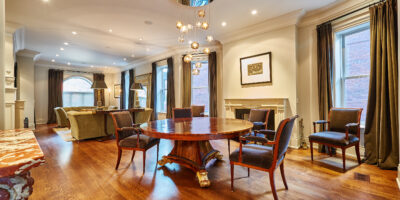
Living in Macklemore’s Capitol Hill home comes with a significant price tag. The Seattle mansion has been reported to be worth around $6 million, meaning buyers would need substantial cash upfront and a high income to comfortably afford the property.
“The median home here runs around $790,000, but condos – the realistic entry point for most buyers at $500,000–$700,000 – often carry HOA dues of $400 to $1,000+ a month on top of the mortgage,” says Clint Rogers at Raintown Realty. “Between that and Washington’s roughly 1% property tax, comfortably affording a median-priced home takes a household income near $140,000–$160,000, which is exactly the kind of hidden cost I make sure my first-time buyers factor in before they fall for a listing.”
Mortgage
If you wanted to buy a home comparable to Macklemore’s Capitol Hill estate, you’d need a budget – and a mortgage payment – to match. With an estimated value of $6 million, assuming a 20% down payment and a 30-year fixed jumbo mortgage at today’s rates of roughly 6.75–7%, monthly principal and interest payments would land between $31,000 and $33,000.
Of course, financing varies from buyer to buyer, especially in the luxury market, but these estimates provide a realistic snapshot of what it could cost to own a home of this caliber.
Taxes
Property taxes are another significant line item for Capitol Hill homeowners. Seattle homeowners pay property taxes at the King County level, with a current levy rate of roughly $9.91 per $1,000 of assessed value.
“Beyond the purchase price, buyers should budget for annual property taxes that can easily surpass $10,000, along with ongoing maintenance and modernization costs that often come with the neighborhood’s older housing stock,” says Sarah Skryabnev, sales manager at Thomas James Homes. “Depending on the property’s age and condition, renovation projects can range from tens of thousands to well into six figures.”
For the 2026 tax year, King County’s effective rate lands at around 0.8%–0.9% of a property’s assessed value. Applied to a $6 million home, that translates to an estimated $48,000–$54,000 per year – or roughly $4,000–$4,500 per month – in property taxes alone.
Insurance
Compared to many major U.S. markets, Seattle is actually a relatively affordable city for homeowners insurance. However, for a $6 million property, coverage needs to reflect full replacement cost, and premiums scale accordingly.
Owners of high-value homes in Seattle can expect to pay anywhere from $15,000 to $30,000 or more per year, depending on the home’s size, construction, and any additional riders for valuables, liability, or umbrella coverage.
Unique considerations for Capitol Hill homes
Owning a high-value home in Capitol Hill comes with expenses that go well beyond the mortgage payment.
“Seattle is an expensive city to own a home in, and the true cost goes well beyond the purchase price,” states Lucas Pinto. “Property taxes, insurance, utilities, labor, remodeling, and ongoing maintenance have all become meaningfully more expensive, and I expect those costs along with real estate values over the long term to continue rising. A big takeaway for buyers is that you shouldn’t evaluate affordability based solely on the mortgage payment. The cost of maintaining, improving, insuring, and eventually selling a property should all be part of the equation.”
Before buying a home in this Seattle neighborhood, keep these additional costs in mind:
- Historic character: Capitol Hill is known for its Craftsman bungalows, Victorian-era homes, and early 20th-century architecture. Older homes often require specialized repairs and materials to preserve original details, which can make renovations more involved and more expensive than a standard remodel.
- Urban lot considerations: Homes in Capitol Hill typically sit on smaller city lots, meaning outdoor space is limited but premium. Landscaping, privacy screening, and hardscaping need to work harder – and cost more per square foot – to maximize what’s there.
- Higher utility costs: Larger homes, especially older ones, can be less energy-efficient and more expensive to heat and cool, particularly given Seattle’s damp winters.
- Ongoing maintenance: Seattle’s rainy climate takes a toll on roofs, gutters, siding, and foundations over time. Homeowners should budget for regular inspections and upkeep to stay ahead of water-related wear.
- Parking and accessibility: Capitol Hill is a dense, walkable neighborhood, but that also means parking can be limited and garages are not always standard. Buyers of larger properties may need to factor in the cost of a garage addition or dedicated parking.
- Hidden costs: Professional property management, security systems, and routine upkeep for a larger urban home can add thousands per month to the true cost of ownership.
Down payment expectations
Buying a home similar to Macklemore’s Capitol Hill estate requires a substantial upfront investment. Because a $6 million home falls well above King County’s 2026 jumbo loan threshold of $1,063,750, buyers would need a jumbo loan or significant cash reserves to purchase a property at this price point.
Based on an estimated home value of $6 million, here’s what buyers could expect to put down:
- 10% down: $600,000
- 20% down: $1.2 million
- 30% down: $1.8 million
Home styles commonly seen in Capitol Hill
Capitol Hill’s residential streets reflect more than a century of Seattle’s architectural history, from the grand estates built during the city’s early boom years to sleek contemporary infill.
Depending on the block, buyers are likely to find:
- Craftsman bungalows: One of Seattle’s signature styles and a staple of Capitol Hill. These homes are known for their wide, low-pitched rooflines, deep covered porches, exposed wood detailing, and strong connection to the Arts and Crafts tradition. They tend to be warm, character-rich spaces that buyers consistently seek out.
- Seattle Box (Foursquare): A classic turn-of-the-century style that gave Capitol Hill much of its streetscape character. These boxy, practical homes often feature corner bay windows, inset front porches, and restrained ornamentation – built for real Seattle living, not just curb appeal.
- Victorian and Colonial Revival estates: Capitol Hill’s most prestigious blocks – particularly within the Harvard-Belmont Landmark District – are lined with grand early 1900s homes in Victorian, neoclassical, neo-Georgian, and Colonial Revival styles. These are the neighborhood’s showpiece properties, and the price tags reflect it.
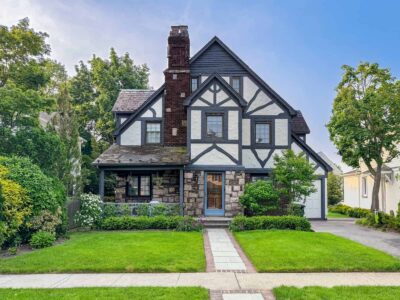
- Tudor Revival: Characterized by steeply pitched rooflines, decorative half-timbering, arched doorways, and leaded glass windows. A handful of notable Tudor homes add to Capitol Hill’s eclectic, historic feel.
- Contemporary and modern infill: Newer construction and renovated properties offer clean lines, open floor plans, and updated systems alongside Capitol Hill’s older stock – appealing to buyers who want the neighborhood’s energy without the upkeep of a century-old home.
“One cost buyers can easily underestimate in Capitol Hill is the expense of renovating and maintaining its older housing stock,” states Braden Sherman at RW Anderson Homes. “Many of these homes have incredible character, but once you begin opening walls, projects can uncover outdated electrical and plumbing systems, structural issues, water intrusion, or other conditions that can add significantly to a renovation budget. For buyers considering a major remodel, it’s important to look beyond the purchase price and understand the true cost of bringing an older Seattle home up to modern standards.”
Renting vs. buying in this area
In Capitol Hill, the choice between renting and buying often comes down to lifestyle flexibility versus long-term investment in one of Seattle’s most walkable and in-demand urban neighborhoods.
- Median rent: ~$2,100/month
Capitol Hill rental prices vary widely depending on unit type and building. Studios typically start around $1,600 per month, one-bedrooms average around $2,000–$2,200, and two-bedroom units run closer to $2,600–$3,100. At the higher end, larger homes and luxury units in the neighborhood command significantly more.
- Estimated mortgage: ~$31,000–$33,000/month
Based on an estimated $6 million home value, a buyer putting 20% down with a 6.75–7% interest rate could expect monthly principal and interest payments of roughly $31,000 to $33,000, before factoring in taxes, insurance, and maintenance.
Home value trends over time
Capitol Hill’s housing market has demonstrated consistent long-term value, driven by the neighborhood’s central location, walkability, and enduring demand from Seattle’s tech workforce and creative community.
- According to Redfin data, the median home sale price in Capitol Hill sits at approximately $792,000 as of mid-2026 – up roughly 5% year-over-year. While the rapid appreciation of the pandemic era has normalized, most local analysts project continued growth in the 3–5% range going forward. Limited inventory of large, architecturally significant single-family homes keeps values elevated at the top of the market, and Capitol Hill’s combination of historic character and urban convenience continues to make it one of Seattle’s most resilient places to own.
“At the $1 million-plus price point, buyers are increasingly looking beyond the purchase price and asking what their investment delivers long term,” shares Laura Leitner, corporate marketing director at Century Communities. “In established Seattle neighborhoods, that can mean budgeting for updates and ongoing maintenance, while nearby markets such as Renton can offer newer construction, contemporary design and lower-maintenance living with convenient access to both Seattle and Bellevue. Communities like Lakeview Terrace by Century Communities reflect that shift, offering a modern alternative for buyers who want proximity to major employment centers without giving up design or lifestyle.”
What it really costs to live in Macklemore’s neighborhood
In a sought-after Seattle neighborhood like Capitol Hill, the cost of homeownership adds up quickly. Monthly mortgage payments for a home comparable to Macklemore’s estate could reach $31,000–$33,000, with property taxes adding an estimated $4,000–$4,500 per month based on a $6 million home value.
Once you factor in insurance, ongoing maintenance, and the unique costs that come with owning an older, architecturally significant home in an urban neighborhood, the total monthly cost of ownership can realistically reach $40,000–$45,000+ per month. This reflects not only the price of the home itself, but the premium that comes with living in one of Seattle’s most vibrant, walkable, and historically rich neighborhoods.